Few things are more frustrating than turning on your shower or kitchen faucet only to be met with weak water pressure. Whether it happens suddenly or gradually over time, low water pressure can make everyday tasks like showering, washing dishes, and doing laundry feel like a chore. Well we’re here to tell you what causes low water pressure.
At Beemer Plumbing, low water pressure is one of the most common issues we help homeowners diagnose and repair. The good news? Sometimes the fix is simple. Other times, low water pressure can point to a larger plumbing issue that needs professional attention.
In this guide, we’ll explain the most common causes of low water pressure, how to identify the source of the problem, and when it’s time to call a plumber.
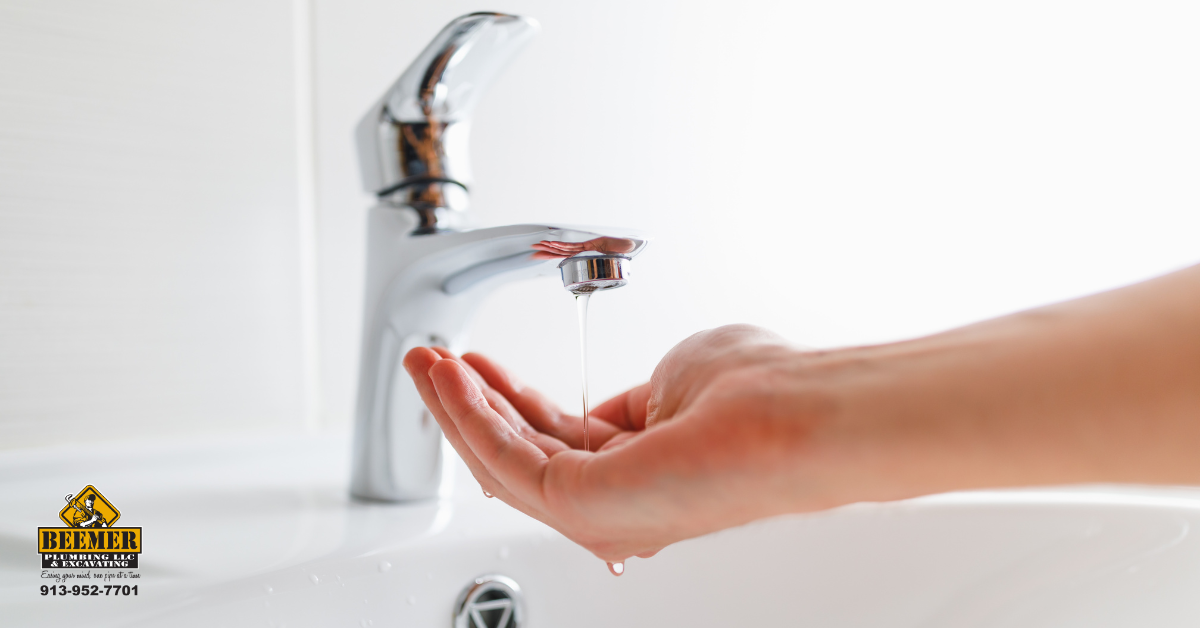
What Is Considered Low Water Pressure?
Most homes should have water pressure between 40 and 60 PSI (pounds per square inch). If your pressure drops below that range, you may notice:
- Weak shower flow
- Faucets taking longer to fill sinks or tubs
- Washing machines running slowly
- Poor sprinkler performance
- Inconsistent water flow throughout the home
Low water pressure may affect just one fixture—or your entire house.
What causes low water pressure?
1. Clogged Faucet Aerators
The Problem
One of the simplest causes of low water pressure is a clogged faucet aerator. Over time, minerals and debris from your water supply can build up in the small screen attached to the end of your faucet.
Signs
- Low pressure at a single sink
- Uneven water spray
- Pressure issue only affecting hot or cold water
The Fix
Unscrew the aerator, rinse out debris, and soak it in vinegar to remove mineral buildup.
2. Shower Head Mineral Buildup
The Problem
Hard water minerals can clog shower heads over time, restricting water flow.
Signs
- Weak shower pressure
- Uneven spray patterns
- Some nozzles not working
The Fix
Soaking the shower head in vinegar may help dissolve buildup. If the problem continues, replacement may be the best option.
3. Hidden Plumbing Leaks
The Problem
Leaks in your plumbing system can reduce water pressure by diverting water before it reaches your fixtures.
Signs
- Sudden drop in pressure
- Increased water bill
- Damp spots on walls or ceilings
- Mold or mildew smells
Why It Matters
Even small leaks can waste large amounts of water and cause costly damage over time.
4. Corroded Pipes
The Problem
Older homes—especially those with galvanized steel pipes—can experience corrosion inside the pipes. As corrosion builds up, it restricts water flow.
Signs
- Gradual loss of pressure
- Discolored water
- Older plumbing system
The Fix
In many cases, corroded pipes need professional repair or replacement.
5. Partially Closed Shut-Off Valves
The Problem
Sometimes the issue is as simple as a shut-off valve that isn’t fully open.
What to Check
- Main water shut-off valve
- Water meter valve
- Individual fixture shut-off valves
If a valve was recently adjusted during maintenance or repair work, it may not have been reopened completely.
6. Water Heater Issues
The Problem
If low pressure only affects hot water, your water heater could be the source.
Possible Causes
- Sediment buildup
- Corroded pipes connected to the heater
- Faulty shut-off valve
Signs
- Weak hot water pressure only
- Inconsistent water temperatures
- Strange noises from the water heater
Routine water heater maintenance can help prevent these issues.
7. Municipal Water Supply Problems
The Problem
Sometimes the issue isn’t inside your home at all.
City water main repairs, maintenance, or high neighborhood water demand can temporarily affect pressure.
Signs
- Multiple homes experiencing low pressure
- Pressure changes at certain times of day
- Sudden widespread issue
What to Do
Check with neighbors or your local utility provider to see if there’s ongoing maintenance in your area.
8. Pressure Regulator Failure
The Problem
Some homes have a pressure regulator that controls incoming water pressure. When it fails, pressure may become too low—or even too high.
Signs
- Sudden major pressure change
- Pressure problems throughout the entire house
- Water pressure fluctuating constantly
The Fix
A failing pressure regulator should be inspected and replaced by a professional plumber.
9. Sewer or Drain Line Issues
The Problem
While drain problems don’t directly affect water pressure, clogged sewer or drain lines can create slow drainage and plumbing backups that homeowners sometimes mistake for pressure problems.
Signs
- Slow drains throughout the home
- Gurgling sounds
- Sewage odors
Professional drain cleaning or sewer inspections may be necessary.
10. Tree Root Intrusion
The Problem
Spring and early summer are peak seasons for tree root growth. Roots can invade underground pipes and affect your plumbing system.
Signs
- Frequent clogs
- Slow drains
- Wet spots in the yard
- Reduced plumbing performance
The Fix
A sewer camera inspection can identify root intrusion before major damage occurs.
DIY Troubleshooting Tips
Before calling a plumber, here are a few things you can check:
- Test pressure at multiple fixtures
- Clean faucet aerators and shower heads
- Confirm shut-off valves are fully open
- Ask neighbors if they’re having similar issues
- Check for visible leaks
If the problem continues, it’s time for a professional inspection.
When to Call a Professional Plumber
Low water pressure can sometimes indicate a serious hidden issue.
You should contact a plumber if:
- The pressure drop happened suddenly
- Multiple fixtures are affected
- You suspect a leak
- Your water is discolored
- You notice signs of pipe corrosion
- DIY fixes don’t solve the problem
Ignoring the issue can lead to more extensive damage and higher repair costs.
How Beemer Plumbing Can Help
At Beemer Plumbing, we help homeowners throughout the Kansas City metro diagnose and repair water pressure problems quickly and efficiently.
Our services include:
- Leak detection
- Drain cleaning
- Sewer camera inspections
- Pipe repair and replacement
- Water heater maintenance
- Trenchless pipe repair and pipe bursting
We use advanced equipment to pinpoint the source of the issue and provide honest recommendations for long-term solutions.
Preventing Future Water Pressure Problems
While some plumbing issues are unavoidable, regular maintenance can help prevent many common causes of low water pressure.
Preventative Tips
- Schedule routine plumbing inspections
- Flush your water heater annually
- Address leaks immediately
- Avoid chemical drain cleaners
- Install water softeners if you have hard water
Small preventative steps today can save you from expensive repairs later.
Final Thoughts
Low water pressure may seem like a minor annoyance, but it can be a warning sign of bigger plumbing issues hiding behind your walls or underground.
The sooner you identify the cause, the easier—and often less expensive—it is to fix.
If your home is experiencing low water pressure, Beemer Plumbing is here to help. Our experienced team can diagnose the issue, explain your options, and restore your plumbing system so everything flows the way it should.
Because at Beemer Plumbing, we’re committed to easing your mind, one pipe at a time.

