When it comes to maintaining your home’s plumbing system, what you flush down your toilet matters more than you might think. While it may seem convenient to treat your toilet like a catch-all disposal system, flushing the wrong items can lead to costly repairs, stubborn clogs, sewer backups, and even damage to municipal wastewater systems.
At Beemer Plumbing, we’ve seen it all—from minor blockages to major plumbing disasters caused by items that should never have been flushed in the first place. In this guide, we’ll break down exactly what you should never flush, why these items are problematic, and what you should do instead to keep your plumbing running smoothly.
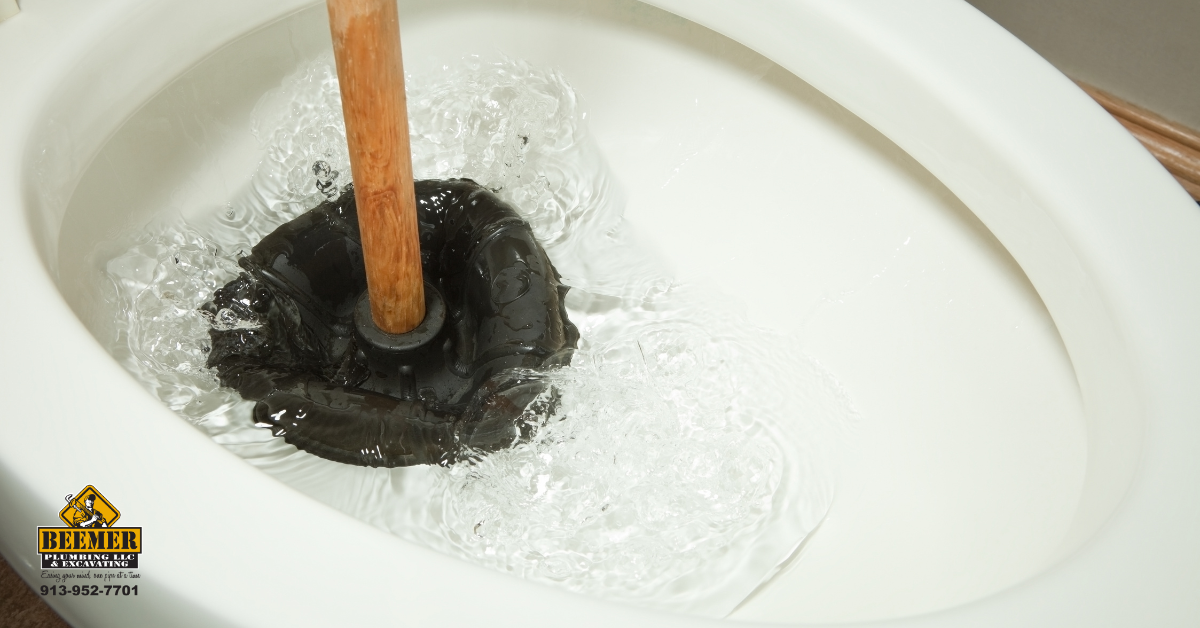
The Only Things You Should Flush
Before we dive into what not to flush, let’s clarify what is actually safe:
- Human waste
- Toilet paper
That’s it.
Even items marketed as “flushable” can cause serious issues (more on that below). If it’s not one of the two items above, it’s best to throw it in the trash.
What Not to Flush Down Your Toilet
1. “Flushable” Wipes
Why They’re a Problem
Despite the label, flushable wipes do not break down like toilet paper. They are designed to be durable, which means they can easily get caught in your pipes and create blockages.
Over time, these wipes can combine with grease and debris to form large clogs—sometimes referred to as “fatbergs”—in both residential plumbing and city sewer systems.
What to Do Instead
Dispose of wipes in a lined trash can. If you prefer using wipes, consider biodegradable options—but still throw them away rather than flushing.
2. Paper Towels and Tissues
Why They’re a Problem
Unlike toilet paper, paper towels and tissues are made to be strong and absorbent. They don’t dissolve quickly in water, which makes them likely to cause blockages in your pipes.
What to Do Instead
Throw them in the trash. Even small amounts can build up over time and lead to major plumbing issues.
3. Feminine Hygiene Products
Why They’re a Problem
Tampons, pads, and other feminine hygiene products are designed to absorb moisture and expand—exactly the opposite of what you want in your plumbing system.
These products can easily become lodged in pipes, causing clogs that may require professional removal.
What to Do Instead
Always dispose of these products in the trash. Keep a small, discreet bin in your bathroom for convenience.
4. Cotton Balls, Swabs, and Pads
Why They’re a Problem
Cotton products do not break down in water. Instead, they tend to clump together and catch other debris, creating stubborn blockages.
What to Do Instead
Dispose of cotton items in the trash.
5. Dental Floss
Why They’re a Problem
Dental floss may seem harmless, but it’s incredibly strong and can wrap around other debris in your pipes. Over time, it can contribute to serious clogs and even damage to your plumbing system.
What to Do Instead
Throw dental floss in the trash after use.
6. Grease, Oils, and Fats
Why They’re a Problem
While these are more commonly poured down sinks, they sometimes end up in toilets as well. Grease and oils harden as they cool, sticking to the inside of pipes and trapping other debris.
This buildup can eventually lead to complete blockages.
What to Do Instead
Allow grease to cool and dispose of it in a sealed container in the trash.
7. Medications
Why They’re a Problem
Flushing medications can contaminate local water supplies, as wastewater treatment plants are not always equipped to remove pharmaceutical compounds.
What to Do Instead
Use a local medication take-back program or follow FDA guidelines for safe disposal.
8. Cat Litter
Why They’re a Problem
Even cat litter labeled as “flushable” can cause serious issues. It absorbs water and expands, which can lead to blockages in your pipes.
Additionally, cat waste may contain parasites that are harmful to water systems.
What to Do Instead
Dispose of cat litter in the trash according to the manufacturer’s instructions.
9. Hair
Why They’re a Problem
Hair doesn’t dissolve in water and can easily form clumps that block pipes. It often combines with soap residue and other debris to create stubborn clogs.
What to Do Instead
Collect and dispose of hair in the trash.
10. Food Scraps
Why They’re a Problem
Toilets are not designed to handle food waste. Food can contribute to clogs and attract pests in your plumbing system.
What to Do Instead
Dispose of food scraps in the trash or compost them when possible.
11. Diapers and Baby Products
Why They’re a Problem
Diapers are highly absorbent and expand significantly when wet, making them one of the worst things you can flush. Baby wipes and other products share similar issues.
What to Do Instead
Always dispose of diapers and baby products in the trash.
- Cleaning Products and Chemicals
Why They’re a Problem
Harsh chemicals can damage your plumbing system and disrupt the balance of bacteria in septic systems.
What to Do Instead
Follow proper disposal instructions on product labels.
The Real Cost of Flushing the Wrong Things
Flushing improper items doesn’t just risk a minor inconvenience—it can lead to serious and expensive consequences:
1. Costly Repairs
Clogs caused by non-flushable items often require professional equipment to remove. In severe cases, pipes may need to be repaired or replaced.
2. Sewer Backups
Blockages can cause wastewater to back up into your home, leading to unpleasant odors, property damage, and health risks.
3. Damage to Municipal Systems
Improperly flushed items contribute to clogs in city sewer systems, increasing maintenance costs and potentially leading to environmental issues.
4. Septic System Failure
If you have a septic system, flushing the wrong items can disrupt the system’s balance and lead to costly repairs or replacement.
Signs You May Already Have a Problem
If you’ve accidentally flushed something you shouldn’t have, watch for these warning signs:
- Slow-draining toilets
- Frequent clogs
- Gurgling sounds from pipes
- Unpleasant odors
- Water backing up in sinks or tubs
If you notice any of these issues, it’s best to address them early before they become bigger problems.
How Beemer Plumbing Can Help
At Beemer Plumbing, we specialize in diagnosing and resolving plumbing issues quickly and efficiently. Whether you’re dealing with a stubborn clog, a sewer backup, or simply want peace of mind, our team is here to help.
We offer:
- Professional drain cleaning
- Sewer line inspections
- Trenchless pipe repair (including pipe bursting)
- Emergency plumbing services
Our experienced technicians use advanced tools to identify the root cause of your plumbing problems and provide long-lasting solutions.
Final Thoughts: When in Doubt, Throw It Out
A good rule of thumb is simple: if you’re not sure whether something is safe to flush, don’t risk it. Throw it in the trash instead.
By being mindful of what goes down your toilet, you can protect your plumbing system, avoid costly repairs, and help keep your local water systems running smoothly.
If you’re experiencing plumbing issues or have questions about proper maintenance, contact Beemer Plumbing today. We’re here to make sure your home’s plumbing stays in top shape—easing your mind, one pipe at a time.

