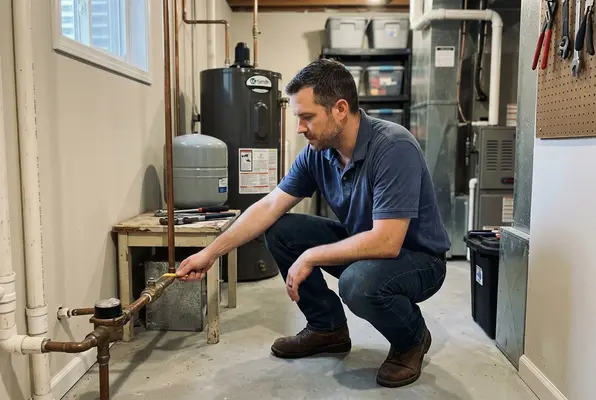
Whole-Home Repiping in Spring Hill: Signs It May Be Time
Signs Your Spring Hill Home Needs Repiping Services
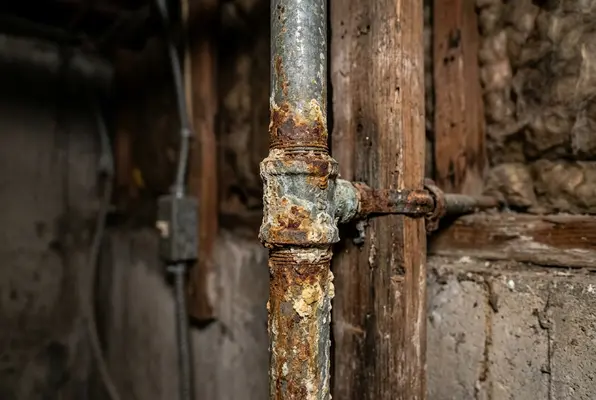
Frequent leaks in multiple locations suggest widespread pipe deterioration rather than isolated failures. When one section fails, nearby pipes with similar age and conditions often follow within months. Repeated patch jobs add up fast, and water damage from successive leaks costs far more than preventive repiping.Discolored water signals internal corrosion. Brown or reddish tints indicate rusting galvanized steel, while blue-green stains point to copper erosion. Both conditions worsen as pipes thin and fail.Low water pressure across all fixtures occurs when mineral deposits narrow pipe interiors or corrosion creates rough surfaces that restrict flow. If replacing aerators and showerheads doesn't help, the problem lies in the supply lines themselves.Visible corrosion on exposed pipes in basements or crawl spaces shows what's happening inside your walls. Rust stains, flaking metal, or green patina on copper means deterioration is advanced. Beemer Plumbing offers plumbing services that identify these issues before pipes burst.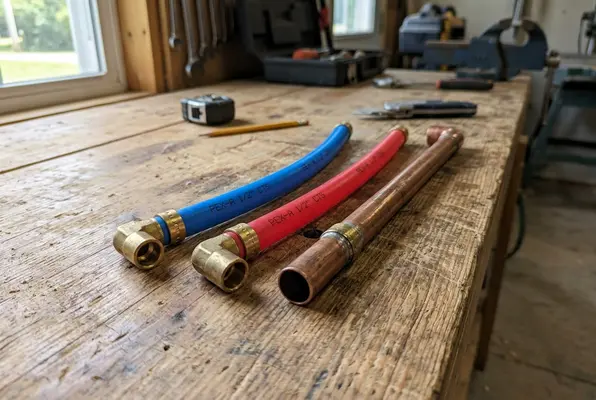
Comparing PEX and Copper Piping Materials
PEX (cross-linked polyethylene) resists corrosion, freezing damage, and scale buildup. It's flexible, allowing faster installation with fewer joints and potential leak points. PEX doesn't transfer heat as readily as metal, so hot water retains temperature longer. It costs less to purchase and install because plumbers can weave it through walls without cutting as many access openings.Copper provides proven durability in Spring Hill's water conditions. It naturally inhibits bacterial growth and tolerates higher temperatures than PEX. Copper withstands UV exposure if any sections run outdoors, whereas PEX degrades in sunlight. Some homeowners prefer copper for aesthetics in visible locations and municipal resale considerations.Both materials last decades when properly installed. PEX installation typically takes less time because it requires fewer fittings. Copper demands soldering skills and more labor. Beemer Plumbing evaluates your home's layout, water chemistry, and budget to recommend the best material for your whole-house plumbing replacement.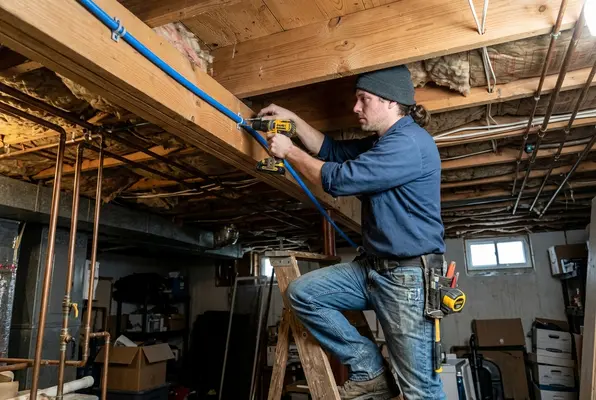
The Residential Repiping Timeline and Cost Factors
Most whole-home repiping in Spring Hill takes two to five days depending on square footage, pipe material choice, and accessibility. Single-story homes with open crawl spaces repipe faster than multi-story homes where pipes run through finished walls and ceilings.Plumbers shut off water during active work but restore service each evening in occupied homes. They cut strategic access openings, remove old pipes, install new lines, pressure-test the system, and patch walls. You'll need to arrange alternative water sources during work hours and plan for drywall or paint touch-ups afterward.Cost factors include:- Total linear footage of pipe runs
- Material choice (PEX costs less than copper)
- Number of fixtures supplied
- Wall and ceiling access difficulty
- Whether you need simultaneous drain line replacement
- Permit and inspection fees
Frequently Asked Questions
How much should a repipe cost?
Whole-home repiping costs vary widely based on home size, material choice, and access difficulty, so obtaining a detailed estimate after inspection provides the most accurate figure.
What is the 135 rule in plumbing?
The 135 rule isn't a standard plumbing term; if you're asking about specific code requirements or installation guidelines, contact Beemer Plumbing to discuss your project details.
How long does it take a plumber to repipe a house?
Most residential repiping projects take two to five days depending on home size, layout, and whether plumbers work in occupied spaces requiring daily water restoration.
Why don't people use copper pipes anymore?
Many homeowners choose PEX because it costs less, installs faster, resists corrosion and freezing, and requires fewer fittings, though copper remains popular for its proven longevity and bacterial resistance.
Is it better to have copper pipes or plastic pipes?
Both copper and PEX deliver reliable performance; the best choice depends on your water chemistry, budget, installation constraints, and whether exposed sections need UV resistance or aesthetic considerations matter.