
Gas Line Installation & Repair Spring Hill KS
A gas leak is not something you can shrug off. If a repair was ever rushed or a line was never fully checked, that worry doesn't just sit in the back of your mind, it follows you around the house. You deserve a straight answer about what was done and how it was verified, not just a bill.
Where your property sits matters here too. Spring Hill spans both Johnson and Miami counties, and the county covering your address decides which contractor license applies to the permit for your gas work.
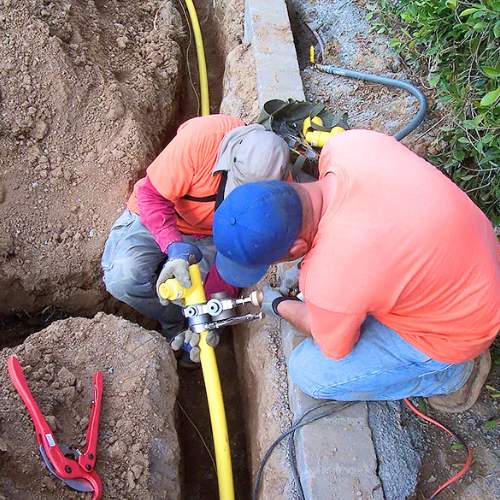
Beemer Plumbing runs its own excavation crew. The same team that diagnoses your gas line is the team that digs for it, so nothing gets lost in a handoff between a plumber and a separate dig sub.
Gas line installation and repair is one part of the full range of gas and fire utility services we handle for Spring Hill homeowners.
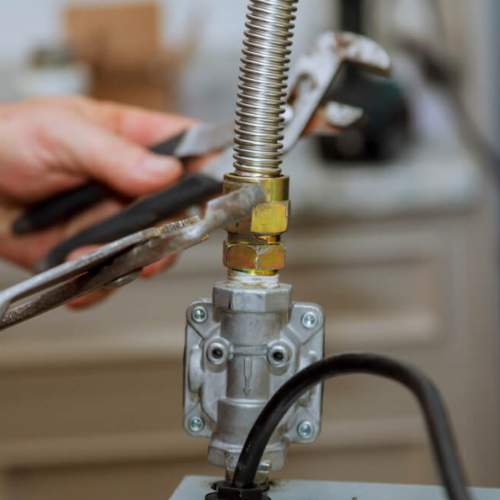
Gas Line Installation & Repair Spring Hill KS Professional Standards
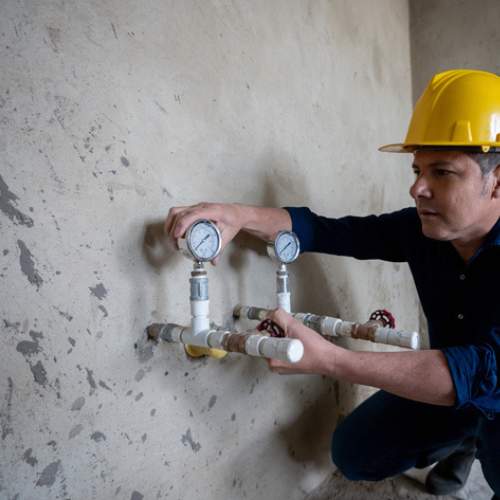
Every repair or new line we install gets a pressure test before we sign off. That test has one pass condition: zero detected leaks. If the line doesn't hold, we don't call it finished.
A pressure test checks something a visual inspection can't. It puts the line under controlled pressure and watches for any drop, which reveals a leak even when nothing looks wrong on the surface. That's why a passing test carries more weight than eyeballing a joint or a fitting.
Jeremiah Beem runs the dig crew himself instead of handing that part off to a separate excavation sub. The same person who diagnoses your gas line is the one digging for it, so nothing gets lost in translation between the two jobs.
We understand why this matters to you. A lot of homeowners worry that a contractor will patch a line and just hope the leak is gone, without ever proving it. The pressure test is how we remove that guesswork and show you the result instead of asking you to trust it.
Gas Line Installation & Repair Spring Hill KS Readiness Signs
Some signs are easy to miss until you know what to look for. A rotten-egg smell near a stove or meter, a hissing sound close to a pipe or fitting or a gas bill that jumps for no clear reason are all worth a call, not a wait-and-see approach.
Adding a new gas appliance, like a stove, fireplace insert or generator, can call for a dedicated new line rather than tapping into an existing one. This depends on the appliance's demand and what the current line can support, so it's worth having a plumber check before you buy.
If you're not sure whether a smell or sound is serious, you're not alone. Most homeowners in that spot want reassurance and a clear next step more than a technical explanation. That's exactly what a quick inspection gives you.
Years spent working these lines help us spot a failure pattern before it turns into a full leak, rather than only reacting once damage shows up.
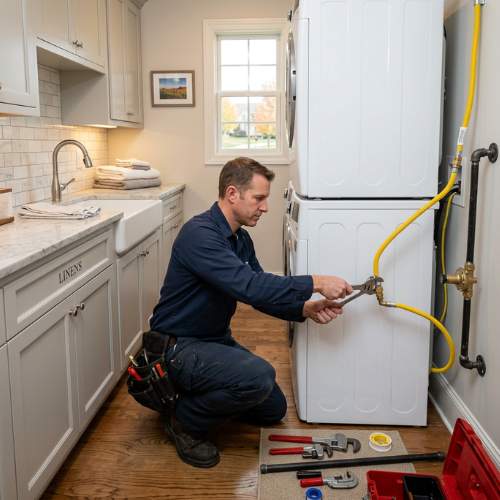
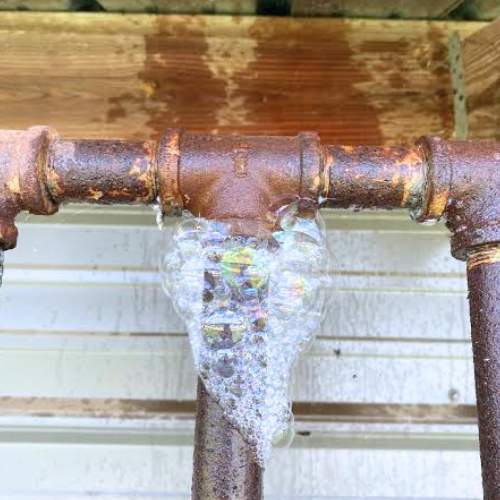
Gas Line Installation & Repair Spring Hill KS Risk and Cost of Waiting
A small gas leak rarely stays small. Left alone, it tends to get worse over time, and that usually means a bigger safety risk along with a bigger repair bill later.
Gas work carries a different kind of worry than a plumbing leak. A mistake here can put your family at risk, not just your home, and that's a fair thing to feel uneasy about.
If a repair doesn't pass its pressure test, we don't call it done. The crew reworks the joint or section in question until the line holds with zero detected leaks.
Gas Line Installation & Repair Spring Hill KS Options and Decision Factors
Deciding between a repair and a full replacement comes down to a few factors. Pipe age, the type of damage and how the line was originally run all play a part.
Line age can vary quite a bit depending on where your home sits. Some parts of Spring Hill have an older, established core, while much of the city is newer subdivision construction, so a home's gas line age can differ from block to block.
If you're adding a new appliance, we check whether your existing gas meter can support the added demand before any new line goes in. That step happens before we recommend a path forward, not after.
We know this decision can feel stressful. Some homeowners call expecting a simple fix and worry they'll be told they need a full replacement instead. We walk you through what we find and why, so the decision makes sense rather than feeling like a surprise.
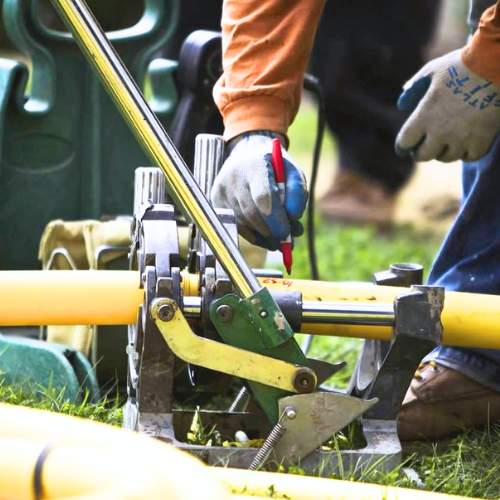
Gas Line Installation & Repair Spring Hill KS Scheduling and Coordination
Before a crew arrives to dig for a new gas line, it helps to clear the path. Move furniture, planters, fencing or parked vehicles away from the work area so the dig can move without delays.
Most repairs and new installs finish in a single day, though line length and access can stretch that timeline. A short repair on an existing line usually moves faster than a brand new underground run.
Spring Hill's steady new-home construction, tied to ongoing school enrollment growth, means new gas line installs often cluster around active subdivision build phases. That pattern can affect how scheduling lines up depending on where in the city your project sits.
Because we own our own excavation equipment, there's no wait on a rented machine or an outside sub before work can start.
Gas Line Installation & Repair Spring Hill KS Local Regulations
Spring Hill sits across both Johnson and Miami counties, and the county that covers your job address decides which contractor license applies to your permit. It's not about which city you live in, it's about which side of the county line your property falls on.
Beemer Plumbing holds the applicable license for either side of the city, so we don't have to turn work away based on your address. That's one less thing for you to sort out before we get started.
We handle the licensing question on our end so you don't have to navigate it yourself. If you're ever unsure which county applies to your address, we can confirm it before scheduling any permitted work.
Our Full Gas Line & Fire Utility Services in Spring Hill KS
Gas line installation and repair is one part of a broader set of gas and fire utility work we handle, alongside appliance hookups, fireplace lines and generator connections.
If you're adding a new appliance, you may also need a meter capacity check or a related plumbing update handled during the same visit.
Having one company handle your gas line along with any connected plumbing or excavation work means you avoid a second call or a second crew learning your site from scratch.
For the complete list of gas and fire utility services we offer in Spring Hill, see our full services page.
Water Heater FAQ
How can a customer know a gas line passed a pressure test after the repair?
We run a pressure test on the line and confirm zero detected leaks before we call the job complete. The test holds the line under pressure and watches for any drop, which shows a leak even when nothing looks wrong on the outside. This same standard applies whether it's a brand new line or a repair.
Who digs the trench when a new gas line must run underground?
The same crew that diagnoses your gas line also does the digging, since we own our own excavation equipment. This avoids a handoff between a separate plumber and a separate dig sub. If underground conditions differ from what was expected, the crew can adjust the dig plan on the spot.
What can happen if a small gas leak gets ignored for too long?
A small leak can slowly get worse and raise both safety risk and the eventual repair cost. Gas problems tend to worry people more than a water leak, since safety is on the line and not just property. It's worth calling promptly rather than waiting to see if it gets worse.
What decides if a gas line needs full replacement instead of a repair?
Pipe age, the type of damage and how the line was originally installed all factor into that decision. A short, localized problem often points toward a repair, while widespread age-related wear points toward replacement. We evaluate this before any digging starts, not after.
Does a Spring Hill address change which contractor license applies to gas line work?
Yes, and which office issues that permit depends on whether your home sits on the Johnson County or Miami County side of Spring Hill. The Johnson County Contractor Licensing Division handles the Johnson County side of town. We sort out which office applies to your address before we start any paperwork.
How long does a typical gas line installation or repair usually take?
Most repairs and installs finish in a single day, though line length and access can extend that. A short repair on an existing line usually finishes faster than a new underground run. We'll give you a realistic same-day expectation rather than a fixed number of hours.

Call or contact Beemer Plumbing, LLC now for a free estimate and quick, reliable service.
Easing your mind one pipe at a time.
Monday - Friday: Available 24 hours
Saturday & Sunday: Available 24 hours


Powered By Local Biz Domination