
Sewer Cleaning Services Spring Hill KS
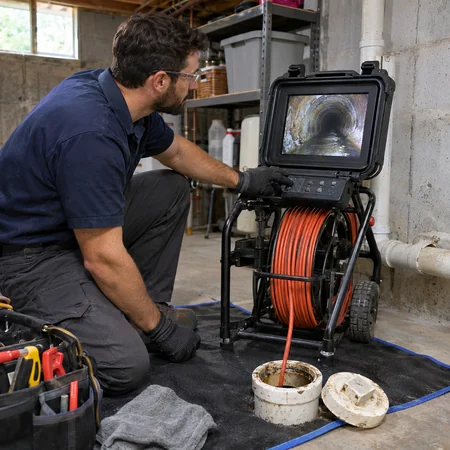
Beemer Plumbing provides sewer cleaning in Spring Hill, KS, serving homes in Johnson and Miami counties. We inspect the line with a camera, choose the cleaning method based on its condition, and check it again afterward. Jeremiah Beem, our master plumber and owner, uses the camera to read pipe material and joints. He doesn't use it only to find clogs. That shows what the line needs before any cleaning starts.
Spring Hill sits in both Johnson and Miami counties, so the first question is which side of the line your home is on. Sewer cleaning is one part of the drain, sewer and sump pump work our team handles.
Professional Standards for Sewer Cleaning Services Spring Hill KS
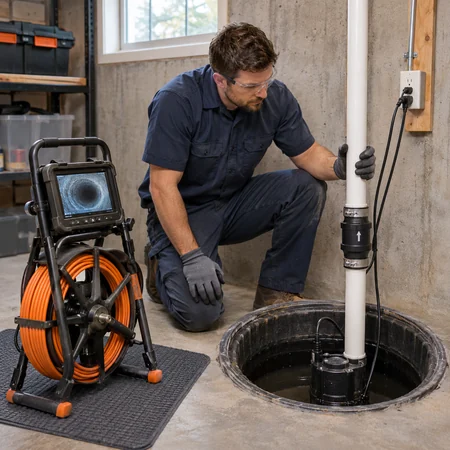
Every job starts with the camera, not the cleaning tool. We send it in first to read the pipe material, joint separation, bellies and root patterns. Those findings set the cleaning method, and they flag damage before any tool touches the pipe.
After we jet or cable the line, we run the camera through a second time. Our standard is full flow restored and a line that runs clear on camera.
You'll see the footage yourself, not just hear a verbal report. If you've ever wondered whether a plumber might pad the bill, seeing your own pipe on screen gives you something concrete to check.
When to Call for Sewer Cleaning Services Spring Hill KS
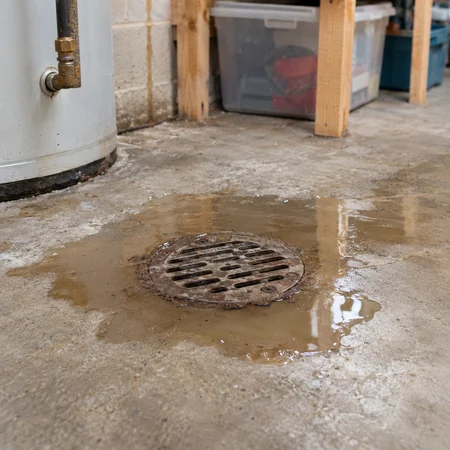
Most sewer problems give warning signs before a backup. Slow drains, gurgling sounds, repeat clogs and odors can all point to a line that needs attention. Calling at this stage is usually easier than waiting, since cleaning costs less than cleanup.
Water pooling in your yard can also be a sign. It may point to a line problem, or it may be something else entirely. A camera check sorts that out before anyone talks about digging.
Many people search "drain cleaning near me" when what they really want is proof the problem isn't worse. We get that. If you're out on a rural lot, we'll also tell you plainly which signs can wait and which ones can't.
Options and Decision Factors for Sewer Cleaning Services Spring Hill KS
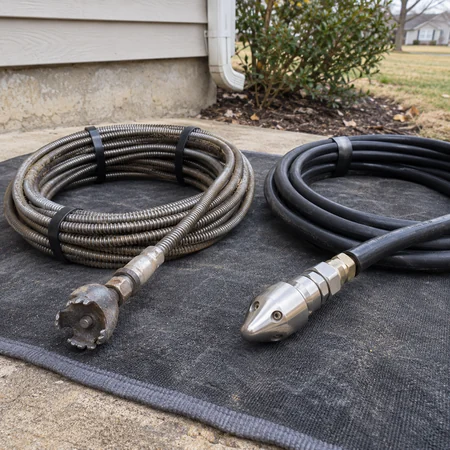
Hydro jetting suits some lines, such as those with grease or heavy root buildup. Cable work suits others. We don't sell a flat package. The camera findings decide the method, so you pay for what your line needs.
Pipe age matters too. Cast iron and clay tile can be fragile, so we check the jetting pressure and method before we start. A gentler approach may protect an older pipe better than a forceful one.
Older clay soil and freeze-thaw swings can also strain buried lines over time. That doesn't mean your line is damaged. It's one reason we look before we clean.
Some pipes need repair instead of cleaning. The camera shows which, so you aren't guessing.
What Can Go Wrong and What It Costs
Cleaning doesn't automatically lead to a full replacement. The camera sets the next step, and you'll see what it shows before any repair talk begins.
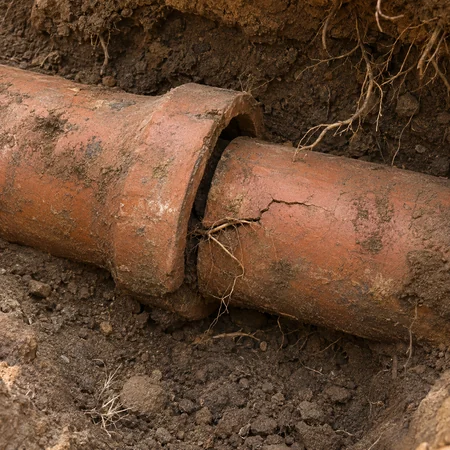
Cleaning can clear a clog and still leave a cracked, offset or bellied pipe behind. That's why we run the camera again after cleaning. The footage shows whether the pipe wall and joints are sound, so a clear drain isn't mistaken for a healthy line.
Trenchless isn't always the cheaper fix, either. We check the soil, the pipe age and the type of damage first. Then we tell you which method fits your yard.
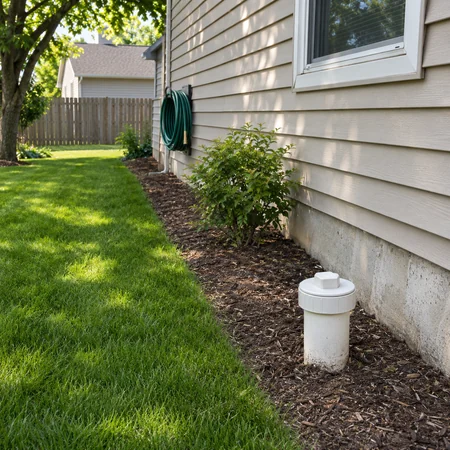
Spring Hill code defines the building sewer as starting five feet outside the foundation wall. That helps frame where the private line begins.
If the camera does show damage, the same crew can move from cleaning to repair with no handoff. We own our excavation equipment, so the people who saw the problem are the people who fix it.
Scheduling and Coordination for Sewer Cleaning Services Spring Hill KS
A typical visit starts when we arrive and run the camera through your line. Then we clean it and make a final camera pass to confirm the result. We'll go over the footage with you before we wrap up.
A little prep helps. Clear the path to your cleanout and move items out of the work area. It also helps to tell us when the problem started and where you've noticed water. If you can't find your cleanout, let us know. Locating it is part of the visit. If you're in town, we'll send text updates and leave a clean site. If you're on a rural lot, you'll get plain findings and a voice in the next step. It's your property, and you should be part of the decision.
Spring Hill spans Johnson and Miami counties, so your parcel's county can change the permit steps for any later repair. We're based in Spring Hill, which supports scheduling on both sides of the county line without dispatching from a distant metro office.
Our Full Drain, Sewer & Sump Pump Services
Sewer cleaning is often the first step in a chain. We start with a camera check, then clean the line. If the camera shows damage, repair comes next.
You may also need related work along the way, such as drain cleaning, camera inspection, line repair or sump pump service. One team handling connected work keeps the findings and the repairs in the same hands.
If cleaning is only the start, see the full range of drain and sewer work.
Sewer Cleaning Services FAQ
Will sewer cleaning turn into a full line replacement no matter what you find?
No. Replacement only comes up if the camera shows damage that cleaning can't fix. We show you the footage before any repair talk begins. Many lines need only cleaning, but that depends on the pipe.
How does a sewer camera inspection after hydro jetting confirm the line is clear?
A final camera pass shows open pipe and clean walls. Our standard is full flow restored and a clear line on camera. The same pass can also show joint or wall damage that the clog was hiding.
When is hydro jetting a better fit than cable cleaning for my sewer line?
It depends on what the camera shows. Heavy buildup or roots often favor jetting. Fragile cast iron or clay tile may call for a gentler method. We pick the method after the camera look, not before.
Does water pooling in my yard mean I need sewer cleaning or something worse?
Not always. Pooling can come from a line problem or from surface drainage. A camera check helps tell a clog from a broken pipe. Findings come first. Digging talk comes second, if at all.
How should I prepare my cleanout access and yard before the crew arrives?
Clear a path to the cleanout and remove items near it. Tell us when symptoms started and where water pooled. If you can't find the cleanout, say so. Locating it is part of the visit.
Do you provide sewer cleaning for homes on both the Johnson County and Miami County sides of Spring Hill?
Yes. We're based in Spring Hill, and our jobs reach both counties.

Call or contact Beemer Plumbing, LLC now for a free estimate and quick, reliable service.
Easing your mind one pipe at a time.
Monday - Friday: Available 24 hours
Saturday & Sunday: Available 24 hours


Powered By Local Biz Domination