
Sewer Line Repair Spring Hill KS
You can't see your sewer line, so it's hard to know how bad a problem is. Maybe a drain keeps backing up, or a wet spot in the yard won't go away. Either way, you want to know what's wrong and whether your home is safe.
Beemer Plumbing handles sewer line repair in Spring Hill. Jeremiah Beem is a master plumber who owns his excavation equipment and runs the dig crew himself. The same team diagnoses the problem, digs, makes the repair and backfills the trench. Sewer line repair is just one part of the Drain, Sewer & Sump Pump Services we offer in Spring Hill.
Professional Standards for Sewer Line Repair Spring Hill KS
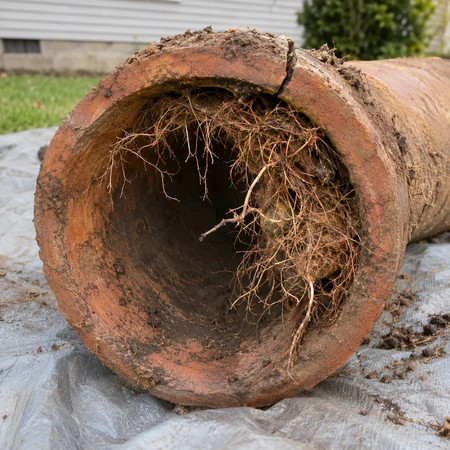
Every repair starts with the camera, and we don't use it only to find clogs. It shows what your pipe is made of, where the joints have separated and whether the line has bellies, which are low spots where water sits. It also shows how roots are getting in.
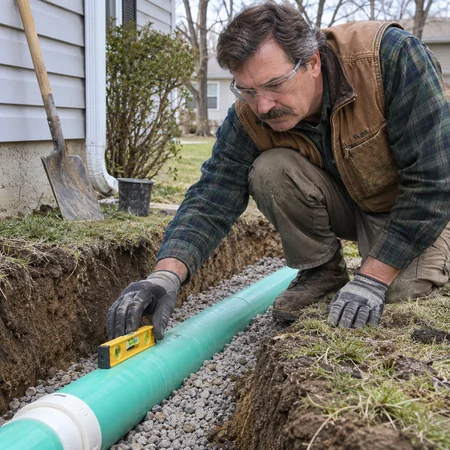
Those findings set the repair plan before any digging starts. A clear plan can shorten the dig and limit damage to your yard. Because the same crew that reads the camera also runs the excavator, we can change the dig plan on the spot if the pipe looks different than it did on screen.
Many homeowners ask whether we'll leave the yard a mess. Clean backfill is our answer. The goal is a trench that settles evenly, so the ground doesn't sink later. The crew that dug the trench also closes it, so one standard covers the job from the first cut to the final backfill.
When to Call About Sewer Line Repair Spring Hill KS
If you search "drain cleaning near me," you may be looking for something bigger. Often you just want to stop worrying every time it rains. A sewer line problem can hide for a long time, so it helps to know which signs deserve a closer look.
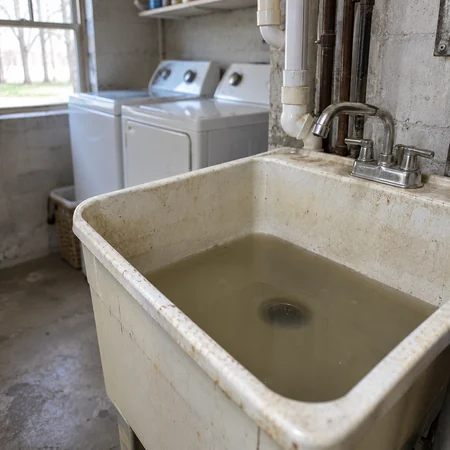
Water pooling in the yard can point to a sewer problem. It can also come from grading or other drainage issues, so a wet spot alone doesn't tell you the cause. Other signs include slow drains, repeated backups and gurgling sounds from your fixtures. Any of these is a good reason to get a camera check.
A cracked line may get worse over time. Soil and roots can enter the break, and that can make the repair larger. We can't give a fixed timeline, because every line and yard is different.
A camera inspection can confirm whether the problem is the sewer line or something else before we quote any repair. That way you pay to fix the real problem.
What Can Go Wrong and What It Costs in Spring Hill KS
A damaged sewer line may let wastewater leak into the soil around it. In some cases it can also back up into your home, which can create a health concern. Many homeowners worry about exactly this, and it's a fair concern. The good news is that a camera check can show what's happening, so you can make a calm plan instead of guessing.
Fixing one damaged spot without checking the whole line can miss a second break or a belly. When that happens, the problem can come back after the repair.
That's why we run the camera along the whole line before the repair and again after it. The second pass is how we verify the work. We confirm the repair with a camera view of a clear line.
Waiting can also add to the cost. A larger break may mean a bigger dig area and more damage to your yard. Every line is different, so a camera check is the best way to see where yours stands.
Spot Repair or Full Replacement - Sewer Line Repair Spring Hill KS Options
Nobody wants to hear "full replacement" when a smaller fix would do. So we show you how we decide, step by step.
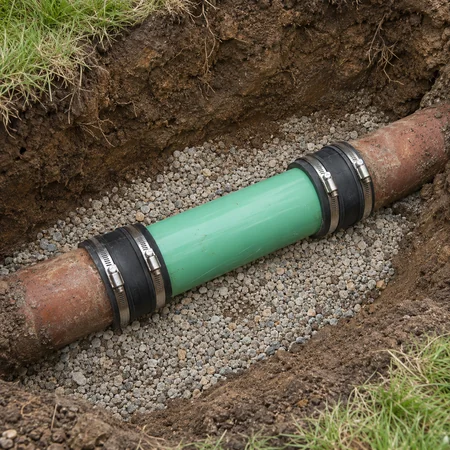
Four things drive the call: pipe material, pipe age, the number of damage points and how far the damage spreads. One cracked joint in an otherwise sound line may only need a spot repair. Several breaks along a worn pipe often point toward replacing more of it. The camera findings give us the evidence, and you can see the same footage we do.
Jeremiah checks soil conditions, pipe age and damage type before he recommends trenchless over open trench work. Trenchless gets marketed as the cheaper, faster fix, but that isn't always true. Not every yard or pipe suits it.
Pipe bursting is one trenchless method. A new pipe is pulled through the old one, which breaks apart as the new pipe goes in. It may be an option for cast iron or clay tile pipe. Open trench work can still be the better fit when the damage is limited to one reachable spot or when the pipe or soil isn't a good match for bursting.
Local Regulations and Requirements for Sewer Line Repair Spring Hill KS
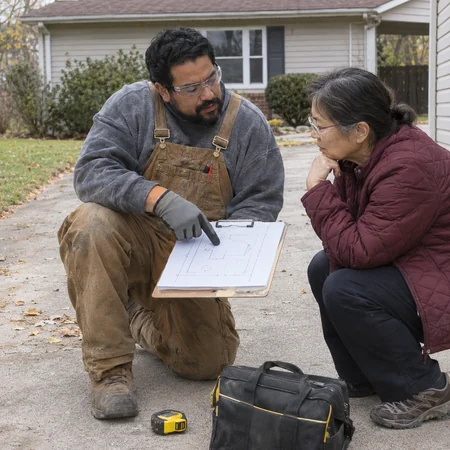
Your home's sewer line has a starting point. Under Spring Hill's sewer rules, the building sewer begins five feet outside the foundation wall. It ends where it connects to the public sewer or a private system. Knowing that helps you see where your line begins before any repair is scoped.
Kansas doesn't issue plumbing licenses at the state level. Contractor licensing comes from the county instead. The City of Spring Hill requires building sewer and water service installers to hold a valid Johnson County plumbing contractor's license. Kansas also uses the International Plumbing Code as its base technical standard.
Spring Hill requires a plumbing permit for repairs or alterations to an existing plumbing system. Inside city limits, applications go through the city's online permit portal. Outside city limits, the county where the property sits handles the permit.
Inspections follow the permit. In unincorporated Johnson County, the listed plumbing inspections include an underground inspection when it applies and a final inspection. In Miami County, a full list of required inspections comes with the permit. The person on the permit requests each one when the work is ready, at least one day ahead.
Our repairs follow the code and licensing rules for the county where the job site sits. Final inspection is part of the process.
Scheduling, Preparation and Coordination
Spring Hill sits in both Johnson and Miami counties, and that affects the paperwork. Inside city limits, the city handles the plumbing permit, and building sewer installers need a Johnson County plumbing contractor's license. Outside city limits, the county where the property sits handles the permit. We work on both sides of the county line.
Some of the wait happens before any dirt moves. Buried utilities have to be located through Kansas One-Call before a dig, and permits have to be approved. Inspections need scheduling too. In Miami County, the person on the permit requests each inspection at least one day ahead. These steps can delay a start, and we'd rather tell you that up front.
Once the approvals are in, owning our excavation equipment helps. We don't wait for a rented machine or an outside subcontractor to become available. We won't give a day count here, because repair length depends on the damage and the size of the dig.
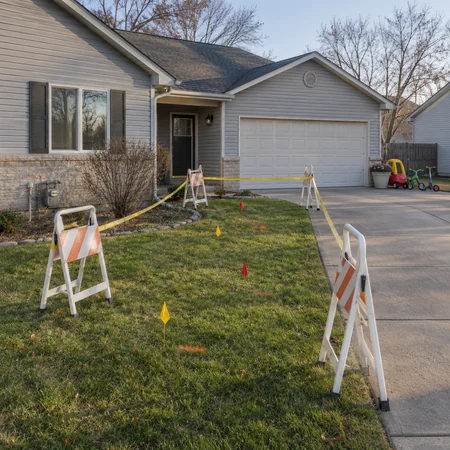
Before we arrive, move vehicles, toys, planters and fence items out of the work area. Mark any sprinkler lines or pet fencing so the crew can see them.
Some homeowners want updates by text or email. Others want straight talk and a say in each decision. Tell us which you prefer and we'll work that way.
Our Full Drain, Sewer & Sump Pump Services Spring Hill KS Services
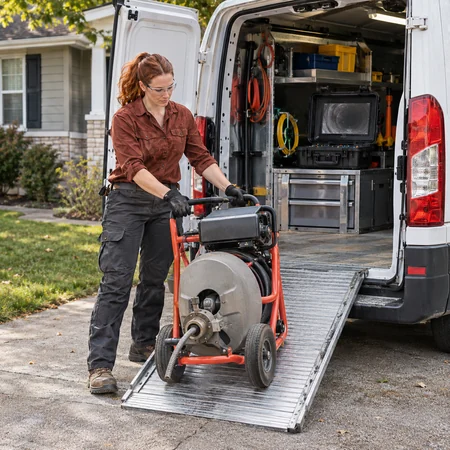
Sewer line repair sits between diagnosis and restoration. A camera inspection comes first. Depending on what it shows, you may also need sewer cleaning, drain cleaning, sewer line replacement or sump pump service.
One company handling the diagnosis, the dig and the backfill keeps the plan consistent from start to finish. If your problem is bigger than one repair, our full service list shows what else we can do.
Sewer Line Repair FAQ
Does water pooling in my yard mean my sewer line is failing?
Not always. Pooling may point to a sewer break, but grading and other drainage problems can cause it too. It's reasonable to worry about a failing sewer line when you see standing water. A camera inspection is how you find out. It shows whether the line is cracked, separated or clear before we propose any repair.
How long can a cracked sewer line wait before the damage may get worse?
It varies. A crack can let soil and roots in, so waiting may make the repair larger. We can't give a fixed timeline, because every line is different. Don't wait if you see repeated backups, slow drains or new wet spots in the yard. A camera check shows the real condition of the line.
Can a broken sewer line make my home unsafe if I put off the repair?
It can. Sewage may back up into the home or leak into the soil. That's a real concern, and the practical answer is a prompt inspection. Call right away if sewage backs up inside your home or you see repeated backups. A new wet spot in the yard is also a reason to call soon.
What can go wrong if only one damaged spot is fixed and the rest of the line is not checked?
Other damage may remain, and the problem can return. We run the camera along the full line so hidden breaks or bellies show up before the repair. After the work, we confirm the result with a clear camera view of the repaired line.
How do I know I need a spot repair and not a full sewer line replacement?
It depends on how many damage points the line has, plus the pipe's age and material. Many homeowners worry about being sold a bigger job than they need. The camera findings and a soil review decide our plan, and we show you the reasoning.
How long does a sewer line repair take, and what can delay the start?
Timing depends on the damage, the size of the dig and the approvals needed. We can't give a day count without seeing the line. Common delays are utility locates, permits and weather. Our owned excavation equipment removes the wait for a rented machine or an outside crew.

Call or contact Beemer Plumbing, LLC now for a free estimate and quick, reliable service.
Easing your mind one pipe at a time.
Monday - Friday: Available 24 hours
Saturday & Sunday: Available 24 hours


Powered By Local Biz Domination