
Residential Plumbing Spring Hill KS
You hear a drip under the sink. Or you spot a wet spot on the ceiling, a drain that's slow again or water pressure that feels off. You can't see the cause, so you can't tell if it's a small fix or a big bill. That not knowing is often the hardest part.
Residential plumbing is the everyday repair and diagnosis work inside your home. This page is for Spring Hill homeowners whose problem isn't an emergency yet. We'll show you how to size up the problem and what a fair diagnosis, estimate and finish look like. We'll also cover what to ask before you say yes.
Jeremiah Beem, our Master Plumber and owner, owns our excavation equipment and runs the dig crew himself. If a buried pipe turns out to be the problem, the person who diagnosed it is the person who digs it.
Is It a Small Fix or a Bigger Problem?
Start with one question: is water moving when nothing is on? You can check this yourself. Make sure no one is using water, then read your water meter. Wait two hours without using any water and read it again. If the numbers changed, you probably have a leak.
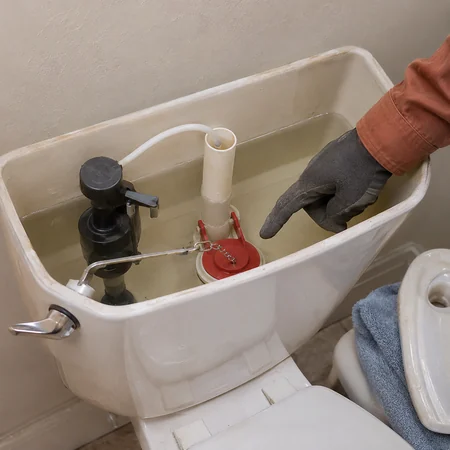
Next, check your toilets. A toilet can run or leak without making a sound, and it's a common simple case. A worn flapper is often an easy fix. To test it, put a few drops of dye in the tank and wait without flushing. If color shows up in the bowl, the toilet is leaking.
If the meter still moves after the fixtures check out, the leak may be somewhere less visible. That's the reason to get a proper diagnosis, which the next section explains.
It's normal to worry here. Many homeowners hear a drip or see a wet spot and wonder if it's a five-figure disaster. A fair plumber will size it up honestly and won't promise it's small before looking.
Some signs shouldn't wait for a meter test. Active leaks, sewage backups and a total loss of water pressure are urgent. For those, go to our Emergency Plumbing Services page.
How Plumbers Find Hidden Leaks and Pipe Damage Without Tearing Things Open
Diagnosis comes before repair. How a plumber finds the problem depends on where the pipe is. Your meter check is the first clue, and the plumber's tools take over from there.
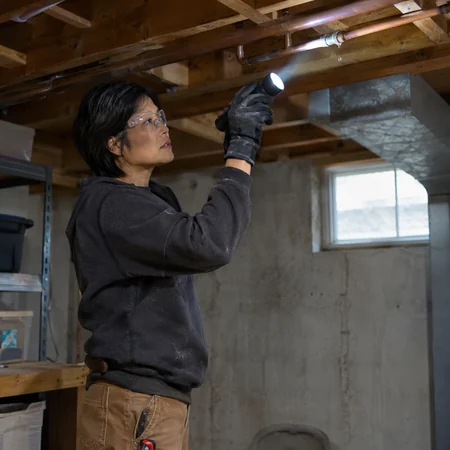
For a buried line, a sewer camera shows what's happening underground. Paired with a locator and line tracing, it shows where the pipe runs and what shape it's in.
A camera does more than find clogs. A trained eye can read the pipe material and spot joints that have separated. It can also show bellies, which are low spots where the pipe sags, and root growth inside the pipe. Those details can change the repair plan before anyone digs.
Leaks inside walls or under floors are a different case, since there's no yard to scope. The method depends on where the pipe runs, so ask which one will be used.
If digging does become necessary, the same crew that diagnosed the problem does the digging. Jeremiah can adjust the dig plan if the pipe looks different from what the camera showed.
Before you approve a diagnosis, ask two things. Which method will you use? What will you show me afterward? The answers lead straight into what proof to ask for, covered below.
What Changes the Price of a Plumbing Job, and What a Written Estimate Should Include
A firm price depends on knowing the cause. That's why a good plumber diagnoses first and prices second. A number given before anyone has looked is often a guess.
Several things shape the price. What's actually failing matters most, because a worn part is a different job than a failed pipe. Pipe material and age matter too. So does whether the work needs a permit, which we cover below.
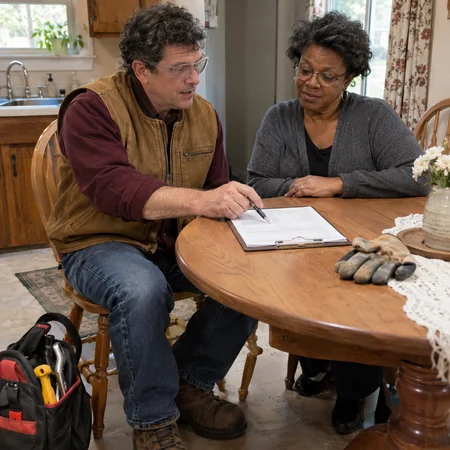
A written estimate should describe the work, the materials, the completion date and the price. Ask that permit fees and installation costs be included. That way the number won't surprise you later.
Two questions are worth asking up front:
Is there a diagnostic charge, and does it apply to the repair if you go ahead?
Which items need fixing now, and which can wait?
If you want a say in the plan, ask for options and not just one number. A plumber who explains the choices lets you decide what makes sense for your home.
What Proof to Ask For Before You Approve Extra Repairs
Many homeowners worry about the same thing. Will the plumber find ten more problems just to pad the bill? That's a fair concern, and there's a simple test for it. Extra work should be tied to something you can see or measure, not just something you're told.
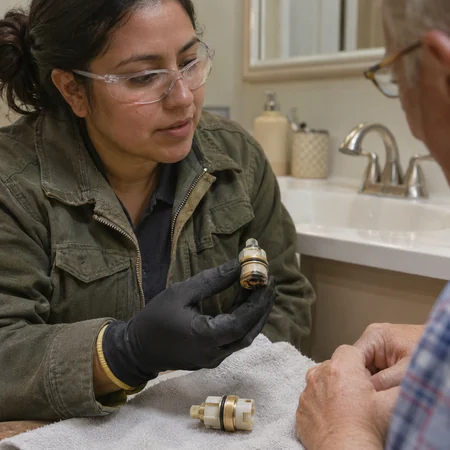
For each added item, ask to see the evidence. That could be camera footage showing the pipe's condition, a pressure reading, the failed part or photos of the problem. If a plumber can't show you anything, that's worth a question.
Ask for added work in writing, with its own price, before it starts. That keeps a small job from growing without your say.
Ask the plumber to sort the findings into what needs fixing now and what's worth watching. You decide what to approve.
For a large job, a second written estimate is reasonable. If the two estimates differ a lot, ask the first plumber to explain the gap.
Permits and Licenses for Everyday Plumbing Work in Spring Hill
Spring Hill says a plumbing permit is required for new plumbing fixtures or drainage systems. It's also required for repairs or alterations to existing plumbing. Installing or replacing a water heater needs a mechanical permit.
The city also requires contractors who request plumbing permits to be licensed through the Johnson County or Miami County Contractor Licensing Program. Spring Hill sits in both counties. Johnson County also says plumbing contractors must be licensed with its Contractor Licensing office.
Ask any plumber three questions before work starts:
Which county license do you hold?
Who pulls the permit?
Can I get the permit number?
You can also check a license with the county yourself. Rules can vary by job, so confirm with the city or county if you're unsure.
Permit and license rules for a whole-house repipe are covered on our Whole House Plumbing here:
How You'll Know the Work Was Done Right
A finished job should end with a final walkthrough test. For plumbing work, the measure of success is no active leaks and no pressure loss.
For fixture work, success means the fixtures pass code inspection on the first try. If the job involved digging, success means the backfilled trench settles evenly. There should be no sinking at the surface later.
Spring Hill's general building rules say work that needs approval shouldn't be covered up until the city has approved it. Ask your plumber whether your job needs an inspection and when it will happen. You can also call Spring Hill Community Development at 913-592-3657 to ask how inspections are scheduled.
You can confirm the result yourself. Repeat the meter check with all water off. If the reading holds steady, no water is still moving.
Before the plumber leaves, ask what test was run and what the result was. Then keep your invoice and permit record in one place. They're useful if you sell the home or need to show what was done.
Our Full Plumbing Services in Spring Hill KS
Residential plumbing is the everyday repair and diagnosis side of the work we do from our home office in Spring Hill. We also handle drainage, gas, septic and excavation work.
If your problem is urgent, start with our Emergency Plumbing Services page.
If you're thinking about replacing the pipes throughout your home, see Whole House Plumbing.
Rresidential Plumbing FAQ
What kinds of home plumbing problems does residential plumbing cover?
Residential plumbing covers the everyday plumbing in and around a home. That includes leaks, fixtures, drains and water supply problems. Our work includes residential and whole-house plumbing as well as fixture and remodel work. Urgent problems belong on our Emergency Plumbing Services page, and repipes belong on our Whole House Plumbing page.
When should a pipe or fixture be repaired instead of replaced?
A failed small part is usually a repair. A leaking toilet flapper is a simple example. For buried lines, pipe material, age and damage type all affect the choice, and a camera inspection shows which applies. Bigger replacement decisions are covered on our Whole House Plumbing page.
Who do I call for a water problem, my plumber or the water utility?
It depends on where the leak is. WaterOne repairs leaks on its meters and public water mains. Interior leaks, sprinkler leaks and leaks on your service line between the connection and the building are your responsibility. That's when to call a plumber.
WaterOne became the water provider for Spring Hill city customers in January, 2026. Not every Spring Hill address is a WaterOne customer, though. Some areas are served by Water District 7. Check your water bill or WaterOne's service map to be sure. WaterOne doesn't handle wastewater, and Spring Hill bills sewer and trash.
How much mess or disruption should I expect inside my home?
It depends on where the problem is. Before you approve work, ask where any access openings will go and who restores them. Many people worry about walls that never look right again and jobs that drag on, so it helps to get a clear plan and regular updates by text or email. If digging is needed, the same crew digs, repairs and backfills to one company standard.
Should I call my builder or a plumber about plumbing problems in a newer home?
Check your builder warranty first. Builder warranties generally cover workmanship and materials with limited coverage, and plumbing coverage is generally two years. Read your own warranty for the exact terms.
Spring Hill has seen heavy new-home building. KSHB reported that the city approved about 1,800 new homes over four to five years. Before anyone repairs a problem, document it with photos and dates. Once a warranty has ended or the builder declines, a plumber can diagnose and repair it.
How do I prepare for a plumbing visit, and how long will my water be off?
Ask before work starts how long the water will be off and which fixtures will lose it. Some homeowners want clear updates with little disruption. Others want straight talk and a say in the plan. Either way, ask for what you need. Urgent shutoff steps are covered on our Emergency Plumbing Services page.

Call or contact Beemer Plumbing, LLC now for a free estimate and quick, reliable service.
Easing your mind one pipe at a time.
Monday - Friday: Available 24 hours
Saturday & Sunday: Available 24 hours


Powered By Local Biz Domination