
Sewer Line Replacement Spring Hill KS
Your camera footage or repeat backups say the sewer line is failing. Now you're likely wondering three things. Do you really need a full replacement? What will it do to your yard? And will the cost grow once the digging starts?
Those are fair questions, and this page takes them one at a time. Sewer line replacement means we replace your sewer line from the house to the public sewer connection. It's for homes on city sewer where the line is too damaged for a spot repair.
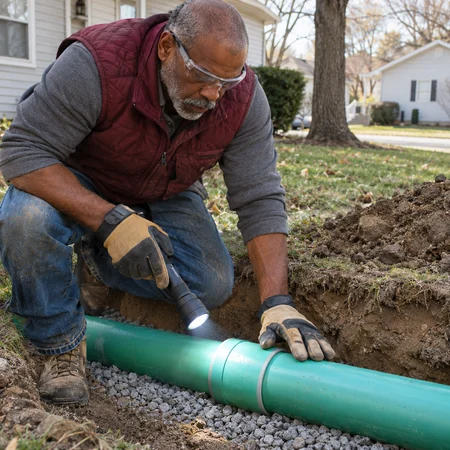
Jeremiah Beem, our master plumber and owner, owns our excavation equipment and runs the dig crew himself. The same crew reads your camera findings, digs, replaces the pipe and backfills the trench. No outside digger gets handed your job, so the crew that saw the footage is the crew in your yard.
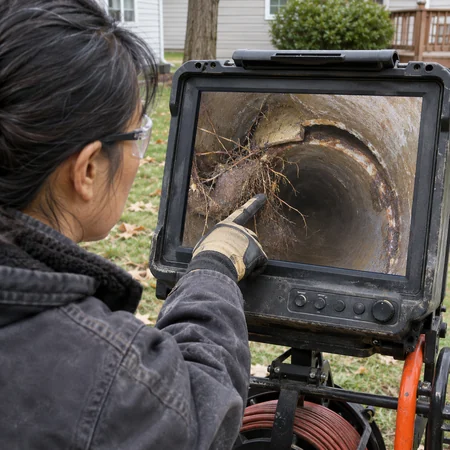
When Camera Findings Point to Replacement Instead of a Spot Repair
Replacement usually makes sense when damage runs through much of the line. If one bad spot sits in otherwise sound pipe, a spot repair is often the better fit. Our sewer line repair page covers that case.
These camera findings often tip the decision toward replacement:
A collapsed or crushed section
Cracks and separated joints along the length instead of in one place
Roots at many joints
A belly, which is a sag in the pipe that keeps holding waste
A camera does more than find clogs. It shows the pipe material, joint separation, bellies and root patterns. That reading changes the repair plan before any digging starts.
Symptoms alone don't settle it. The same backup can come from one root entry or from a failed line. If you're worried we'll call for a full replacement when you really just need a cleaning, the footage is what answers that.
Before you agree to replacement, you should see the footage and talk it through with us. We review camera footage with you before any repair is agreed.
Pipe Bursting or Open Trench: How the Method Is Chosen
The method follows the pipe's condition, the soil and your yard layout. Trenchless isn't always the cheaper or faster fix, so we don't start with a method. We check soil conditions, pipe age and damage type first. Then Jeremiah recommends pipe bursting or open trench.
Pipe bursting pulls a new pipe in as the old one is broken apart. It uses access holes at the ends of the line instead of a trench along the whole run.
Open trench is often the better fit when the old pipe has broken down too far for bursting to follow. It can also suit a line with many fittings and connections.
Spring Hill's sewer rules call for open trench on a building sewer unless the city inspector approves another method. A trenchless plan needs that approval.
If both methods fit your line, we'll lay out the trade-offs and let you choose. You should understand the plan and have a say in it.
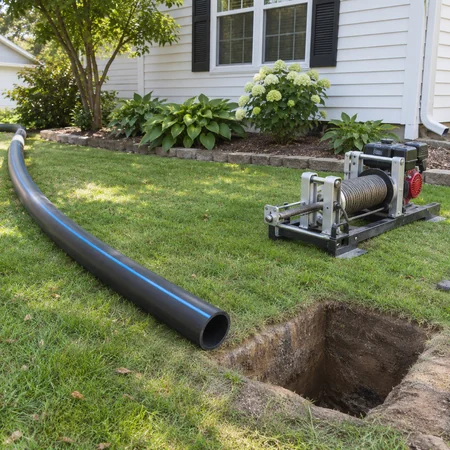
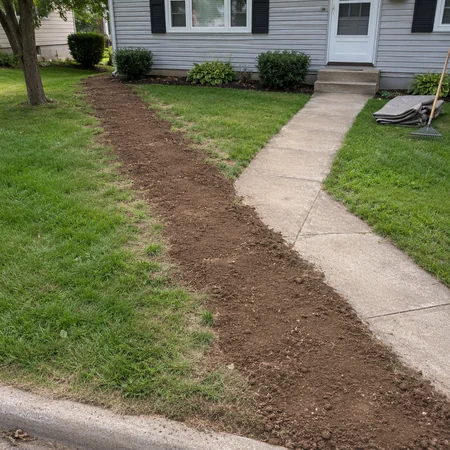
What Your Yard, Driveway and Landscaping Will Look Like Afterward
Some digging damage is unavoidable. How much depends on the method, how deep the line runs and what sits above it. Open trench disturbs a strip along the line. Pipe bursting keeps most of the digging at the access holes.
Our crew backfills the trench so it settles evenly with no later sinking. That's the standard we work to, not a promise about how every yard will look. The crew that digs is the crew that backfills, so there's no handoff in between.
Grass, driveways and fences are what most owners worry about. Tell us what's in the way before work starts. That includes driveways, patios, fences, sprinkler lines, pet-fence lines and planters.
Before you approve the job, ask what restoration is in the written scope and what isn't. That way you'll know what to expect when the crew leaves.
What Decides the Cost of Replacing a Sewer Line
Cost follows four things: the length and depth of the line, the method, what sits above it and how much surface restoration is needed. No fair number exists until we've seen your footage and your yard.
Length: A longer run from the house to the connection means more pipe and more labor.
Depth: Deeper lines need more digging.
What's above the line: A driveway, patio, trees or a fence add work to get through and to put back.
Method: Trenchless isn't automatically cheaper. The better value depends on your pipe, your soil and your yard.
Many owners worry about a padded bill or "ten more problems" turning up mid-job. A scope tied to your camera findings answers that worry. If extra work comes up, we explain why.
Ask for the scope in writing so you can see what each part covers.
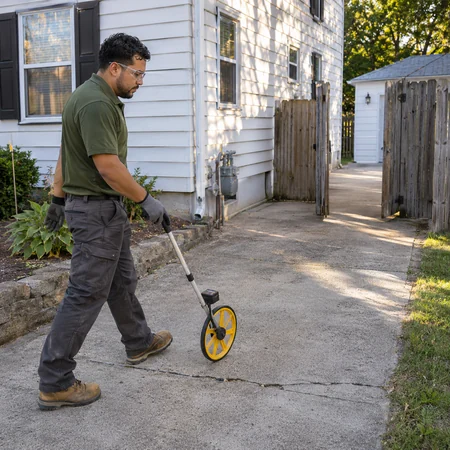
How Long Replacement Takes and What Can Delay the Start
How long replacement takes depends on how long and deep your line is, the method and what has to be dug through. We don't state a day count here because it would be a guess before we've seen your line.
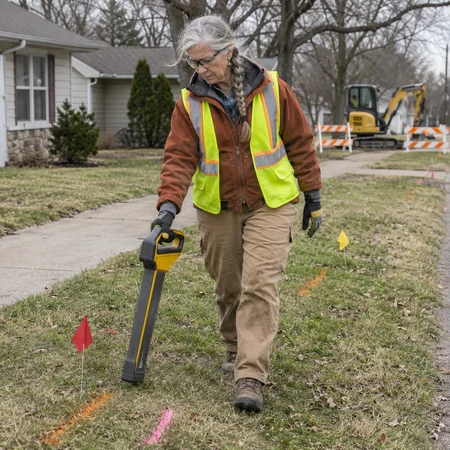
Two steps can set your start date. Buried utilities must be located through Kansas One-Call before anyone digs. Spring Hill also requires a plumbing permit for work on drainage systems. Weather can move the dig date too.
We own our excavation equipment, so your job doesn't wait on a rented machine or an outside subcontractor. That removes one possible delay. It doesn't mean we can promise a faster timeline.
We'll keep you updated by text or email. Ask for a start window and a plan for the dig days so you know when the crew will be on site.
How the New Line Is Checked Before the Trench Is Covered and After the Job
The work is checked at two points. The city inspects the connection to the main before backfill, and our crew checks the finished line afterward.
When the building sewer is ready, the permit applicant notifies the city inspector. The connection to the main must be inspected and approved before the trench is backfilled. City rules also require joints and connections to be gastight and watertight and built to the city's specs.
Once the line is in, we measure the work against two marks of success:
No active leaks show up at the final test
The backfilled trench settles evenly
You can ask to see the proof. Ask what the final test involves and how you'll see the results before you sign off on the job.
Our Full Drain, Sewer & Sump Pump Services Spring Hill KS Services
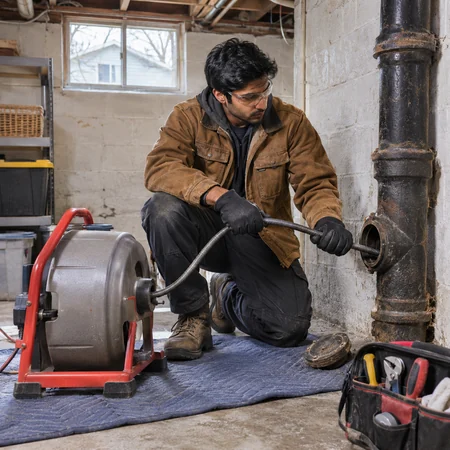
Replacement comes after diagnosis. A sewer camera inspection shows whether your line needs sewer cleaning services, a sewer line repair or a full replacement. We also offer sump pump installation & repair.
Sewer Line Replacement FAQ
Where does my part of the sewer line end and the city's begin?
Your part is the building sewer. It starts five feet outside the foundation wall and ends at the connection to the public sewer. City sewer rules put maintenance of the building sewer, from that connection to the building, on the property owner.
So a replacement covers your stretch of pipe, and the city's main isn't part of the job. If you're not sure which one your footage shows, our Sewer Camera Inspection page explains how to tell your line from the main.
Do I need a permit or inspection to replace my sewer line in Spring Hill?
Yes, plan on a permit. The city says a plumbing permit is required for new drainage systems and for repairs or alterations to existing plumbing.
The city's sewer rules also require a written permit before anyone uncovers, connects to, alters or disturbs a public sewer. That matters when the work reaches the connection. The city requires building sewer installers to hold a valid Johnson County plumbing contractor's license, so ask any installer you're considering to show you theirs.
Spring Hill sits in both Johnson and Miami counties. If your property is outside city limits, the permit office can depend on which county the parcel is in. Confirm the right office before work is scheduled.
Should I replace old clay or cast iron sewer pipe before it fails?
Not by age alone. Old clay or cast iron can still work, and the footage shows the real condition. Roots at clay joints and corrosion inside cast iron can't be seen from the surface. Running a camera through an older line early can catch trouble before a backup.
Some Spring Hill properties still have older pipe from before the area's heavier development. Jeremiah's years in the field help him judge where a pipe is likely to fail next, not only where it failed today.
Can I stay home and use water and toilets while the sewer line is replaced?
Not freely. The line can't carry waste while it's out of service, so plan for no flushing, showers, laundry or dishes during that window. Your water supply line isn't the pipe being replaced, but anything that sends water down the drain is what to hold off on.
Ask for the expected shut-off window beforehand and plan around it.
What happens if the pipe looks different once digging starts?
The plan can change on site. The camera sees the inside of the pipe, and access or obstructions can limit the view. Some damage only shows once the pipe is exposed. Because the crew that read your footage is the crew digging, it can adjust the dig plan in real time.
If the pipe is worse than the footage showed, such as broken down too far for bursting, open trench may take over. Ask beforehand how a change in method or scope would be explained and approved before more work happens.
What does a sewer line replacement include, and what's left out?
The documented core is diagnosis, digging, new pipe and backfill by one crew. Anything beyond that should be named in the written scope.
Ask about these items by name: the permit, sod and landscaping, driveway or patio concrete, fence, sprinkler lines and tree roots or stumps. Replacement quotes often leave landscaping and concrete out, so it's worth asking before you approve the work.

Call or contact Beemer Plumbing, LLC now for a free estimate and quick, reliable service.
Easing your mind one pipe at a time.
Monday - Friday: Available 24 hours
Saturday & Sunday: Available 24 hours


Powered By Local Biz Domination